Ay Huncho Case Sydney Police Gang Tensions and Public Safety
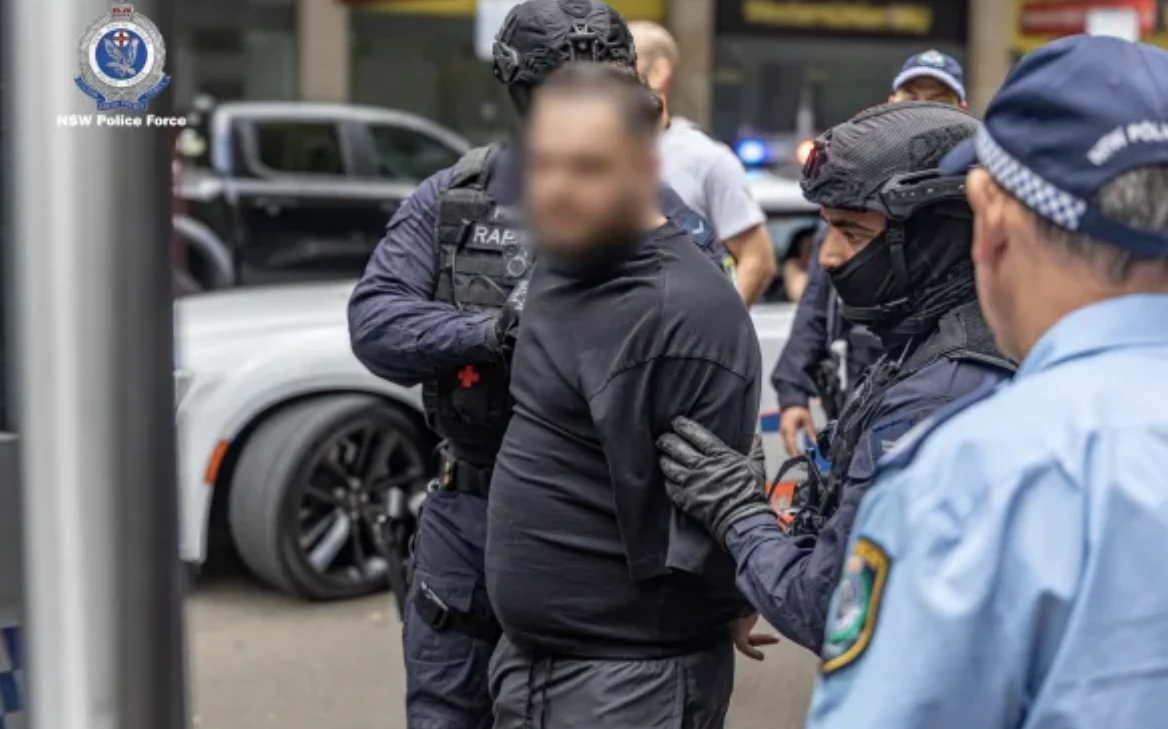
Ay Huncho's name was already known in Sydney as drill rap scene before it became part of a much larger police story.
His real name is Ali Younis.
Public reporting has described him as a Sydney rapper and an alleged Alameddine associate.
In recent weeks, his name has appeared in reports connected to police warnings, a suspected plot targeting him, and the alleged kidnapping of a man believed to be his personal bodyguard.
The case around his bodyguard, Emilio Shalhoub, brought the story into sharper public view.
ABC reported that Shalhoub was allegedly taken from a Guildford home in Western Sydney before police later found him at a property in Casula.
Four men and a teenage boy were arrested, and police said the victim was taken to hospital with facial injuries.
That incident did not sit alone.
Public reporting later said a young woman had been arrested over an alleged role in a suspected plot targeting Ay Huncho.
The reported charges included conspiracy to commit murder, participating in a criminal group, and contributing to criminal activity.
Those charges still have to go through court, but the reporting shows why police attention around Younis had intensified.
The story is easy to misunderstand if it is treated like a rap controversy.
This is not only about music, lyrics, social media, or image.
Police were dealing with something more serious, alleged organized crime links, public safety concerns, people close to a known rapper being targeted, and young people appearing in the same files.
Ay Huncho sits at the center of the public attention, but the people closest to the danger are not always the people with the biggest name.
A bodyguard can become the one taken from a home.
A teenager can end up before the courts.
A young woman can be accused of playing a role in something much larger than one online argument or street-level dispute.
Sydney police have been under pressure to stop gang-related incidents before they reach public places.
Taskforce Falcon and other specialist units have been working through shootings, alleged plots, arson-related matters, criminal group activity, and threats linked to the city's underworld environment.
Public reporting around Youssef now sits inside that wider policing picture.
This video looks at the Ay Huncho case through the police file, not the music image.
It looks at who Ali Youssef is, why his name has been linked to Sydney organized crime reporting, what happened to Emilio Shalab in Guildford, why police were investigating a suspected plot, and how rap fame can become dangerous when it overlaps with gang tension.
Ali Youssef, known publicly as Ay Huncho, is a Sydney drill rapper whose name has appeared in both music coverage and crime reporting.
ABC described him as a rapper and alleged Alameddine associate, while also reporting that Emilio Shalab was believed to be his personal bodyguard.
Youssef built a public profile through music, online attention, and the wider Sydney drill scene.
That public image later became harder to separate from police reporting.
His name was no longer appearing only around songs or social media clips.
It was appearing in stories about alleged gang links, police warnings, and public safety concerns in Western Sydney.
The recent attention around him increased after the alleged kidnapping of Shalab in Guildford.
ABC reported that four men and a teenager were arrested after Shalab was allegedly taken from a Guildford home and later found at a property in Casula.
Police said he was taken to hospital with injuries.
News.com.
Au later reported that a woman had been charged over an alleged role in a suspected plot targeting Youssef.
The reported charges included conspiracy to commit murder, participating in a criminal group, and contributing to criminal activity.
Those matters still have to be tested through court.
Younis is therefore not just being discussed as a rapper in this story.
Police and media reporting have placed his name near a much larger set of concerns, alleged criminal group activity, people around him being targeted, young people appearing in case files, and Sydney police trying to stop violence before it reaches public places.
His music name may be what many people recognize first.
The police file around him is now what has brought the wider public attention.
Emilio Chalhoub's name entered the I Huncho story through a separate police matter in Western Sydney.
ABC reported that Chalhoub was believed to be the personal bodyguard of Ali Younis, the rapper known as I Huncho.
Police said Chalhoub was allegedly taken from a home in Guildford and later found at a property in Casula.
Four men and a teenage boy were arrested after police moved on the Casula address.
The details made the case serious without needing to overstate it.
A man connected to a high-profile rapper was allegedly taken from one suburb and found in another.
Police said he had facial injuries and was taken to hospital.
The people arrested were then put before the courts with the ABC reporting that two men in their early 20s, another two men and a teenage boy face proceedings linked to the alleged kidnapping and assault.
The Guildford location is important because it moved the story away from music, social media, and public image.
This was not a rap dispute playing out online.
Police were dealing with a real incident involving a person close to Younis, a home in Western Sydney, arrests, charges, and a wider investigation.
Chalhoub's role around Younis would have been one part of the background.
A bodyguard is usually close to the person being protected.
They may know movements, routines, vehicles, contacts, and places a public figure attends.
If someone close to that circle is allegedly targeted, police would naturally look at whether the incident was designed to send pressure back toward Younis himself.
That does not mean every detail is already proven.
The people charged still have their matters before the courts.
Police will need evidence showing what each person allegedly did, who was present, who gave directions, what was planned, and what happened after Shahhob was allegedly taken.
The case also shows the way younger people can appear in serious files.
ABC reported that a teenage boy was among those charged for police.
That raises the same concern seen in other organized crime investigations.
Older people may use younger people for tasks that bring them closer to the risk.
While the people with more influence stay further back.
The alleged incident around Shahhob added to an already tense public profile.
His name had been reported in connection with the Alameddine network, and later reporting said police were also investigating a suspected plot targeting him.
News.com reported that a woman was charged over an alleged role in that suspected plot, with charges including conspiracy to commit murder, participating in a criminal group, and contributing to criminal activity.
The Guildford case therefore sits beside a larger pattern of police pressure around Younis and people close to him.
It is not enough to describe him only as a rapper.
And it is not accurate to speak as if every allegation has already been proven.
The public record places his name between music, alleged organized crime links, people close to him being targeted, and police trying to prevent further public safety risks.
Shahhob's alleged kidnapping gave the case a sharper edge, because it showed that the risk around Younis was no longer limited to his own movements.
People near him could also be pulled into the pressure.
Police pressure around Ali Younis increased after reports of a suspected plot targeting him.
By then, his name was already tied to more than one police concern.
Alleged links to the Alameddine network, the Guildford case involving Emilio Shalhoub, and separate investigations into public incidents across Sydney news.com.
Al reported that a woman was arrested at a home in Wallan over an alleged role in a suspected plot targeting Younis.
The reported charges included conspiracy to commit murder, participating in a criminal group, and contributing to criminal activity.
Those charges remain allegations and still have to be dealt with through court.
The same reporting said the arrest followed police inquiries into several public incidents in Sydney earlier in the year.
That gave the case a wider setting than one person being threatened.
Police were looking at movements, vehicles, communications, and alleged links between people they believed were connected to organized criminal activity.
For Younis, the suspected plot changed the way his public profile was being viewed.
A rapper with a large online audience is one thing.
A rapper whose name is appearing in police reporting about alleged gang links, a suspected plot, and a bodyguard being allegedly taken from a home is something else.
The music name remained public, but the police file around him was becoming more serious.
The alleged role of vehicles is important in this type of investigation.
Reports linked the suspected plot to a broader police probe involving cars, public incidents, and people accused of helping prepare or move vehicles used in alleged offending.
A car can be more than transport in a police case.
It can show planning, contact, movement, and who was close to an alleged act before police intervened.
Police also had the Guildford incident sitting close to the same public story.
ABC reported that Emilio Shalhoub, believed to be Younis' personal bodyguard, was allegedly taken from a Guildford home and later found at a Casula property.
Four men and a teenage boy were arrested and Shalhoub was taken to hospital.
Those two strands made Younis' situation look more exposed.
One case involved a person believed to be close to him.
Another involved an alleged plot targeting him directly.
Police still have to prove each allegation separately, but the public record shows why officers were watching the people around him more closely.
There is also a pattern police have raised in other recent Sydney organized crime cases.
People with limited criminal history, teenagers, or lower level associates being drawn into serious work for others.
ABC quoted Detective Superintendent Jason Box saying police had seen people with minimal criminal history being contracted to commit offenses over the previous 18 months.
That detail matters for the Ay Huncho case because the risk does not stay with the main public name.
It spreads to bodyguards, drivers, younger people, women accused of helping, and people who may have been given a small role inside something larger.
By the time police make arrests, those people can be facing serious charges while the full chain of direction is still being worked through.
Younis' public image came from music, but recent reporting has placed his name in a different setting.
Police operations, alleged criminal group activity, people close to him being targeted, and a suspected plot serious enough to bring tactical police to a western Sydney address.
The court process will decide what is proven.
For now, the suspected plot explains why police attention around Ay Huncho was no longer just about lyrics, reputation, or online attention.
It had moved into allegations involving planning, people around him, and the wider pressure inside Sydney's organized crime scene.
Taskforce Falcon became part of the Ay Huncho story because police were already dealing with a wider pattern of public violence across Sydney.
Ali Younis was not the only name being watched.
Police were looking at people linked in reporting to the El Emirati network, rival groups, suspected plots, public place incidents, vehicles, phones, and people accused of helping others carry out tasks.
ABC reported that NSW Police set up Task Force Falcon to investigate a wave of public violence believed to be connected to an internal feud inside the Alameddine network.
The same report said detectives from the task force were involved after a former home connected to Younis was targeted in Merrylands.
That Merrylands incident showed how the pressure around Younis had moved beyond the person himself.
ABC reported that the property had previously been owned by Younis and that three people inside were not injured.
Police described the behavior as dangerous and said it placed the community at risk.
The report also said Younis had been released on bail in relation to offenses police alleged linked him to the Alameddine crime family.
The public may hear the rapper name first.
Police are dealing with something wider.
Addresses linked to people, family members inside homes, former properties, associates, vehicles, and people accused of preparing or carrying out violent acts.
A music profile can pull attention.
But the police file around Younis has moved through homes, court conditions, alleged plots, and people close to him.
Task Force Falcon's work also sits beside the Guildford case involving Emelio Shalhoub.
ABC reported that Shalhoub, believed to be Younis' personal bodyguard, was allegedly taken from a Guildford home and later found at a Casula property.
Four men and a teenager were arrested.
Police said Shalhoub was taken to hospital.
For police, a bodyguard being allegedly targeted is not just a side story.
A person in that role is close to movements, routines, vehicles, and private locations.
If someone around Younis is allegedly taken from a home, detectives have to consider whether the pressure was aimed at the wider circle around him, not only at one individual.
The suspected plot targeting Younis added another layer.
News.
Com All reported that a woman was arrested at a Wallan home over an alleged role in a suspected plot targeting a Huncho.
The reported charges included conspiracy to commit murder, participating in a criminal group, and contributing to criminal activity.
Those allegations still have to go through court.
The same public reporting around the wider police response has pointed to a familiar pattern in recent Sydney cases.
People with limited public profiles, younger people, drivers, associates, and alleged helpers appearing around more serious allegations.
In April, ABC quoted Detective Superintendent Jason Box saying police had seen people with minimal criminal history being contracted to commit offenses over the previous 18 months.
That pattern helps explain why police focus does not stay only on the person with the biggest name, the person in the song clips, the person on bail, or the person named in headlines may not be the only one at risk.
The people around them can also become part of the police file.
Bodyguards, friends, relatives, women accused of helping, teenage boys, drivers, and people connected through vehicles or addresses.
The alleged Wentworthville plot shows how visible the danger can become.
The Daily Telegraph reported that three men were arrested after an alleged daylight attack plot targeting Younis near Wenona Leagues Club where he was said to be attending a junior rugby league game.
The report said the men were allegedly found in a stolen Audi wearing balaclavas, and police alleged firearms were involved.
The same report said the arrests were handled under Strike Force Subart alongside Taskforce Falcon.
That setting matters because it was not described as a private meeting between crime figures.
It involved a public area near a community sports environment.
Police interest in Younis was no longer only about his own safety or his alleged associations.
It was also about what could happen around bystanders if rival pressure reached ordinary places.
Police have also made public statements urging Younis to step away from organized crime activity.
The Daily Telegraph reported Assistant Commissioner Scott Cook said police had spoken with the person believed to be the intended target of the Wentworthville incident on several occasions, and that the only reliable way to protect himself was to step away from organized criminal activity.
" That statement puts the case in clearer terms.
Police are not treating Younan's only as a performer with security problems.
They are treating the people around him, the threats against him, and the incidents near him as part of a wider organized crime pressure point in Sydney.
The court process still has to test the charges against the people arrested.
Some allegations may be challenged.
Some details may change as evidence is presented.
The police position, as reported publicly, is that Younan's has been repeatedly warned about the risk around him.
While investigators continue targeting people they believe are connected to threats, plots, and organized criminal activity, Task Force Falcon S role is important because it shows the direction of police work in Sydney right now.
Officers are not waiting for one in case to finish before looking at the next pressure point.
They are watching homes, vehicles, associates, bail conditions, public incidents, and alleged plans before they turn into something worse.
The rap name brought public attention.
The police operations brought a different kind of attention.
One built around alleged criminal group activity, threats to his safety, people close to him being targeted, and a wider [clears throat] Sydney environment where police say public safety is already at risk.
Ay Huncho's public image began with music, clips, lyrics, followers, and the attention that comes with Sydney drill rap.
That kind of attention can move quickly.
A track is posted, people react, names get repeated, clips are shared, and the performer becomes familiar to people who may know the image before they know the person.
Ali Younan's is now being discussed in a different setting.
Public reporting has described him as a Sydney rapper and alleged Alameddine associate, while ABC reported that Emilio Chalhoub was believed to be his personal bodyguard before the alleged Guildford kidnapping.
Those reports moved Youssef's name out of entertainment coverage and into police reporting about organized crime pressure in Western Sydney.
For police, a public profile can create a different kind of risk.
A person who is visible online is easier to follow, easier to discuss, and easier for rivals or associates to track through public posts, old locations, music clips, comments, photos, and people around them.
None of that proves criminal conduct.
It does mean the line between image and real world attention can become hard to control once police and rival groups are both watching the same name.
In rap, a hard image can be part of the performance.
In a police file, the same image can be read alongside bail conditions, alleged associations, vehicles, addresses, phone records, and threats.
The problem starts when the audience cannot tell where the music image ends and the street risk begins.
A lyric may be entertainment to one listener, a warning to another, and something police place beside other intelligence when they are looking at public safety.
The reports around Youssef show how quickly the frame can change.
One week, people may be talking about songs, jewelry, videos, or a name in the drill scene.
Then the next report is about a bodyguard allegedly taken from a home, tactical police at a Western Sydney address, or a suspected plot targeting the rapper himself.
News.
Com Our reported that a woman was arrested at Wallan over an alleged role in a suspected plot targeting Youssef with serious charges now before the courts.
That does not make every song a criminal act.
It does not make every fan part of a gang story.
It does show how fame can make a person easier to locate in public imagination.
The performer becomes a symbol.
People online pick sides.
Comments become threats.
Old clips get reused.
Rumors move faster than confirmed facts.
The police file then grows around real incidents, not around music alone.
The people around the main name often carry the first damage.
Shalit was reported as a bodyguard, someone close enough to Youssef's movements to be pulled into public reporting around the case.
ABC reported he was allegedly taken from a Guildford home and later found at Casula with five people arrested.
That is where the image becomes dangerous for others.
A rapper may be the public face, but the people near him can become part of the risk.
Security, friends, drivers, women accused of helping, teenagers, relatives, or people connected through cars and homes.
Some may know exactly what they are close to.
Others may not understand the size of the problem until police arrive.
Social media adds another layer.
A person can be watched without knowing who is watching.
A photo can reveal a place.
A caption can start an argument.
A repost can revive an old dispute.
A music persona can travel into group chats, private messages, and police intelligence.
The performer may control the song, but they do not control how every viewer, rival, or investigator reads it.
Sydney police are now dealing with cases where the entertainment world, alleged gang links, and public safety concerns sit close together.
That does not mean music caused the conflict.
The reports around Youssef's point to a wider setting.
Alleged criminal group activity, bodyguard protection, suspected targeting, and police pressure around people connected to the Al Madani network.
The name Ayhuncho brings recognition.
The police reporting brings a different kind of visibility.
Once a performer's name appears beside alleged organized crime, suspected plots, and people close to him being targeted, the public image no longer stays inside music.
It becomes part of a larger file with consequences that reach beyond the person holding the microphone.
In the Ayhuncho case, the people closest to the danger are not always the people with the biggest public name.
Ali Youssef is the person most viewers recognize because of the Ayhuncho name.
He has the music profile, the online following and the public reporting around alleged Alameddine links.
The people around him are now appearing in police stories of their own.
Emilio Chalhoub, who ABC reported was believed to be his personal bodyguard, and several people accused in separate matters connected to alleged kidnapping, suspected plots and criminal group activity.
A bodyguard's job is to stay close.
That closeness can become dangerous when the person being protected is also surrounded by police concern, public attention and alleged underworld pressure.
Chalhoub was allegedly taken from a Guildford home and later found at a Casula property.
Four men and a teenage boy were arrested at the scene, according to ABC.
The police file around a bodyguard is different from the public image people see online.
A bodyguard may know routines, vehicles, houses, meeting points and people moving in and out of the circle.
If someone wants to apply pressure to a public figure, the person standing close to that figure can become a target or a point of leverage.
Police still have to prove the charges in court.
But the allegation around Chalhoub shows how risk can move outward from the main name.
Younger people appearing in these files raise another concern.
ABC reported that a 17-year-old was among the people arrested in the Guildford Casula matter.
In the same report, Detective Superintendent Jason Box said police had seen people with minimal criminal history being contracted to commit offenses over the previous 18 months.
That detail says a lot about how these cases can develop.
A teenager or young adult may not be the person giving orders.
They may be asked to drive, watch, carry, wait, pass on information, use a phone or meet someone at a location.
The task may sound small when it is first offered.
Once police build a timeline, the same task can be treated as part of a serious allegation.
The person with less experience can end up standing closest to the evidence.
They may be near the car, the address, the phone, or the person police are watching.
The older or more experienced person may have stayed further away, used someone else's device, sent messages through another contact, or avoided being near the place where police later arrive.
Women and lower-profile associates can also be pulled into these cases.
News com reported that a woman was arrested at a Wayland home over an alleged role in a suspected plot targeting Younes, with charges including conspiracy to commit murder, participating in a criminal group, and contributing to criminal activity.
Those charges are still allegations before the court.
A person does not need to be famous to become important in an investigation.
They may be accused of helping with transport, communications, surveillance, vehicles, messages, or contact between other people.
Those roles do not always attract attention at first.
They become serious when police place them next to a suspected plan, a known target, or a wider organized crime investigation.
The risk also reaches family homes and ordinary addresses.
The Guildford and Casula case moved through residential areas, not some separate criminal space cut off from the public.
A home can become a scene.
A car can become evidence.
A phone can become the thing detectives want.
People living nearby may have no connection to the dispute and still see police, tactical officers, or media attention in their street.
Younes' music name is what pulls the public into the story.
The police cases around him show a wider circle.
A bodyguard allegedly taken from a home, a teenager among those arrested, a woman accused over a suspected plot, and officers trying to stop incidents before they reach public places.
None of that should be treated as entertainment or rap drama.
These are court matters, police allegations, and public safety concerns.
For young people watching from Western Sydney, the lesson sits in the roles people are asked to play.
A small job for someone older can turn into a serious police file.
A connection to someone with a public name can bring attention that is difficult to control.
A person who thinks they are only helping a mate may later be described by police as part of something much larger.
The people around a high-profile figure often carry the first practical risk.
They drive the cars, answer the phones, stand at the door, wait at the house, move between suburbs, or appear in footage.
When police arrive, the public name may be in the headline, but the people closest to the ground can be the ones facing charges, bail conditions, and court dates.
The Ay Huncho case has become a story about more than one rapper.
It has become a story about the people standing near him, the younger people appearing in police files, and the way Sydney's organized crime pressure can move through friends, security, associates, and ordinary homes.
Ali Younis became known through rap.
The name Ay Huncho brought listeners, clips, comments, followers, and attention around Sydney's drill scene.
That kind of public image can grow quickly, especially online.
A song travels, a lyric gets shared, a name gets repeated by people who may not know the full background.
The problem begins when that public name starts appearing in police reporting beside alleged criminal group activity, bodyguards, suspected plots, and court matters.
For an artist, attention can help build a career.
In a case like this, the same attention can also make movement harder, safety harder, and privacy almost impossible.
People know the name.
People search the old videos.
People watch the comments.
People connect lyrics, locations, faces, cars, and rumors, even when they do not know what is true.
Police have to deal with the real world risk underneath that attention.
They are not looking at the music alone.
They are looking at alleged associations, public safety concerns, threats, people around the artist, homes, vehicles, and incidents that could put others nearby at risk.
The people around Younis also carry pressure that the audience may not see.
A bodyguard is not just a background figure.
A driver is not always just a driver.
A friend, partner, associate, or younger person in the circle can become part of a police file if investigators believe they helped with movement, communication, planning, or contact.
Some people may understand the risk.
Others may only realize it after police arrive.
That is where the human cost comes in.
A person close to a high-profile figure can find themselves pulled into something far bigger than the role they thought they were playing.
A teenager might think they are helping someone with status.
A young woman might be accused of passing information, arranging contact, or contributing to something police say was more serious.
A security person may become the one exposed to danger because they are physically closest to the public name.
The court process will decide what is proven.
Charges are not convictions.
Allegations still have to be tested, and every person accused has the right to defend themselves.
Outside court, the pressure still spreads through families.
A police arrest does not only affect the accused person.
It affects parents trying to understand what happened, partners dealing with the attention, relatives answering questions, and younger siblings hearing the name repeated at school or online.
When a case is connected to a rapper with a public profile, the online attention can make that pressure worse.
There is also a public safety problem.
These incidents are not happening in a sealed-off world away from ordinary people.
The reporting around Yungeen Ace has involved homes, suburbs, public locations, and people nearby who did not ask to be close to any dispute.
When police talk about stopping planned violence or investigating threats, the concern is not only the person being targeted.
It is also everyone around the location if something happens.
The music scene should not be treated as the cause of every problem.
Rap is not the same as organized crime.
Lyrics are not automatically evidence of offending.
Plenty of artists use hard language, street imagery, and personal stories without being part of criminal activity.
The danger appears when the image outside the music starts lining up with real police concerns.
Once that happens, fame stops being only a career asset.
It becomes another layer of risk.
More people know where to look.
More people talk.
More people speculate.
More people around the artist get pulled into the attention.
For young viewers, the message is practical.
Being close to someone with a public name can look exciting, but it can also put a person near danger, police attention, and court consequences.
A small task can become part of a bigger file.
A message can become evidence.
A car trip can become movement in a timeline.
A friendship can become something investigators examine later.
IHuncho's case is still moving through allegations, police reporting, and court process around people connected to him.
The outcome belongs to the courts, not online debate.
What the public can already see is the cost of mixing fame with alleged organized crime pressure.
Bodyguards exposed, associates charged, young people appearing in serious matters, families drawn into stress, and police trying to stop the next incident before it reaches another public place.
Thank you for watching this report until the end.
Subscribe to True Crime Aussie for more Australian crime stories told through police reporting, court records, and public sources without glorifying the people involved.
And let us know your view in the comments.
When rap fame overlaps with police concern, what should matter most?
The artist's freedom, public safety, or stopping young people from being pulled into the circle?